How Long Does a Sewer Line Inspection Take? Before Winter Rain
Most residential sewer line inspections take 45 to 90 minutes. Learn what affects the timing and what Father & Son delivers before winter rain.
Most residential sewer line inspections take 45 to 90 minutes. Learn what affects the timing and what Father & Son delivers before winter rain.
The clearest signs of a broken sewer line are gurgling drains, sewage odors around the yard, soggy patches of grass in dry weather, and slow drains that come back within weeks. Winter rain adds one more, and it is the one homeowners get wrong most often: a backup that clears
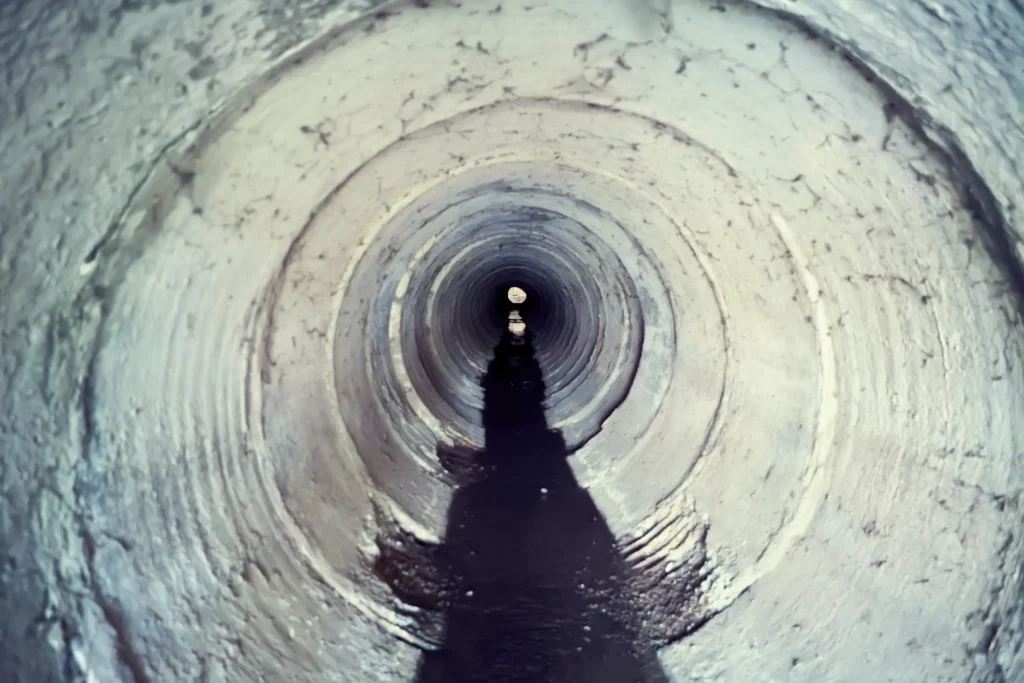
A sewer camera inspection shows the exact inside condition of your sewer line through live video. In under an hour, it reveals root intrusion, cracks, offset joints, grease buildup, and low spots called bellies, so you know what’s wrong before you pay for a fix. What a Sewer Camera Inspection
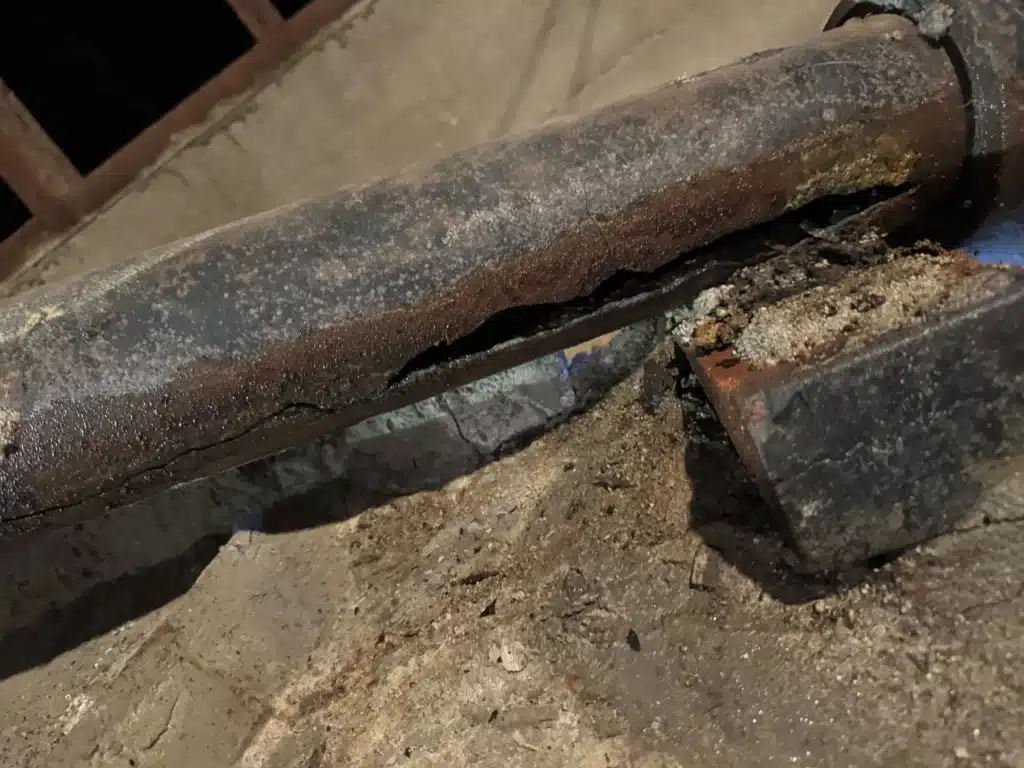
If your commercial kitchen has ever had a grease backup show up on a health inspection report — or worse, hit the floor — you already know the difference a properly maintained grease management system makes. A grease trap and a grease interceptor do the same basic job: keep fats,
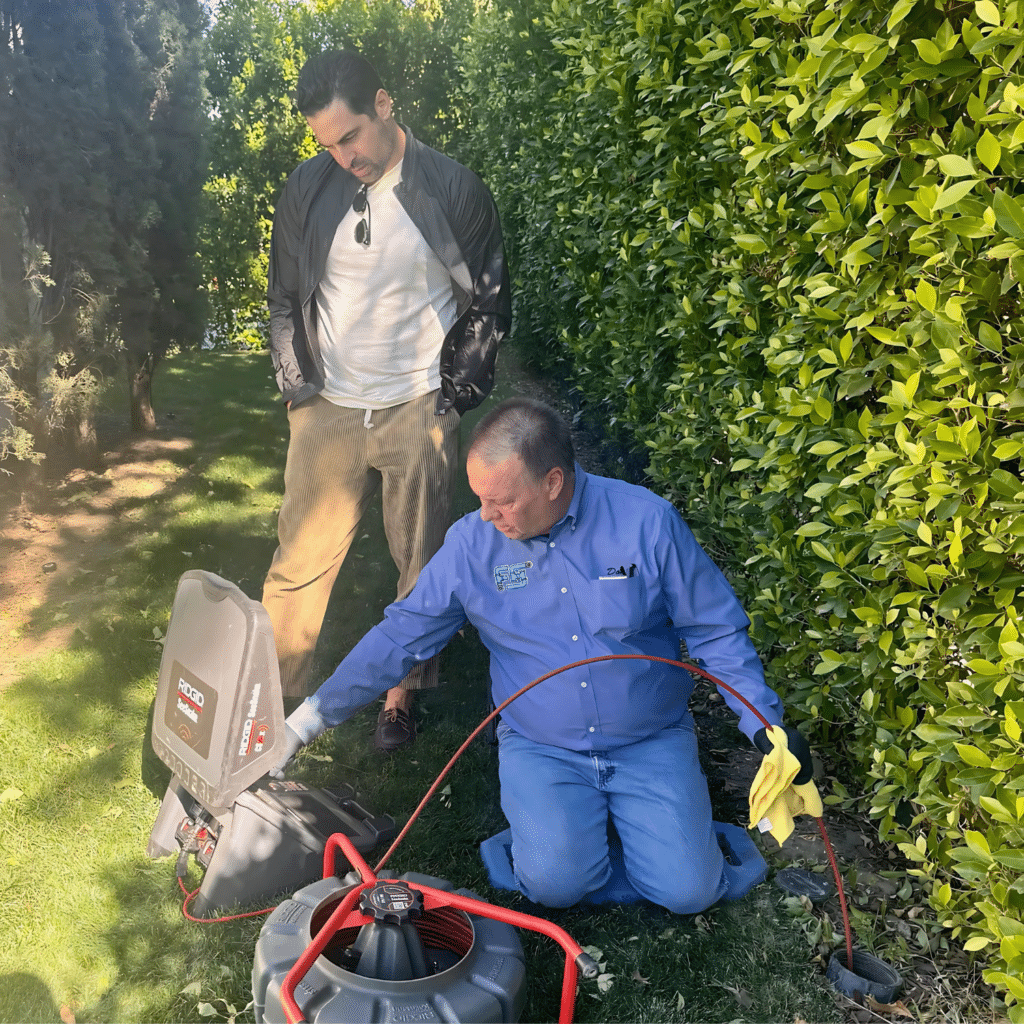
A sewer line inspection uses a waterproof camera to show you the exact condition of your underground pipes — in real time, before problems become emergencies. Most homeowners in the Los Angeles area skip it. The ones who don’t are rarely surprised by a $15,000 repair bill. Here’s everything you
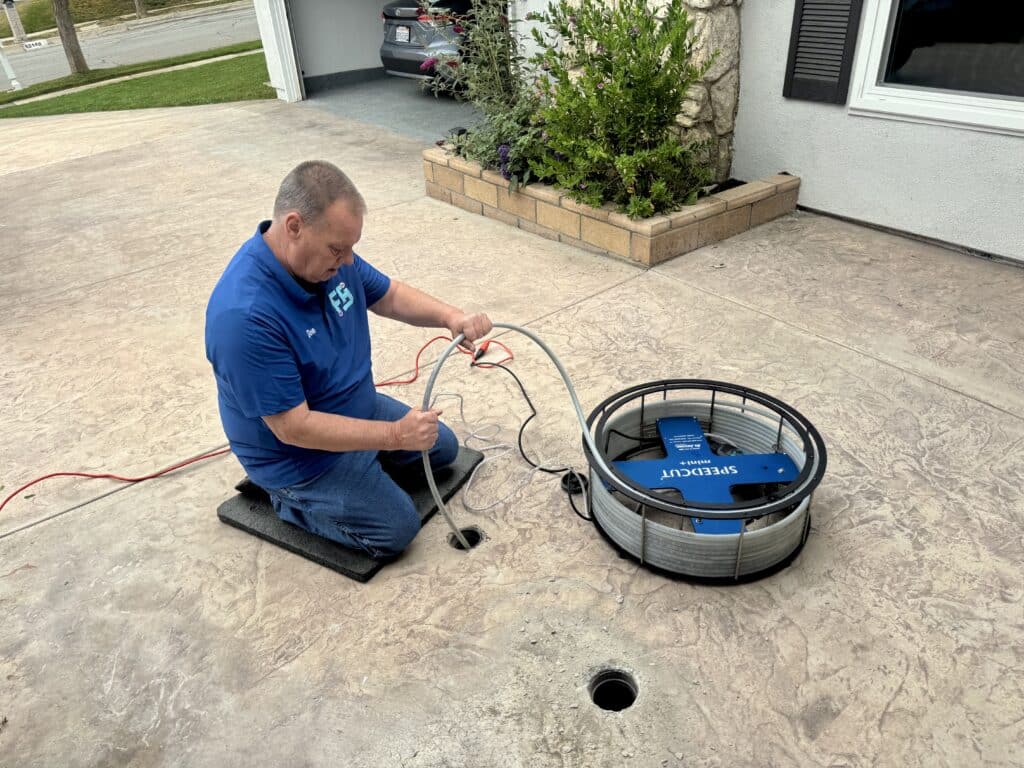
Buying a home without a sewer inspection is like buying a car without looking under the hood. A damaged or failing sewer line can cost $5,000 to $25,000 or more to repair — and standard home inspections don’t cover it. Here’s what every buyer in the Los Angeles area needs
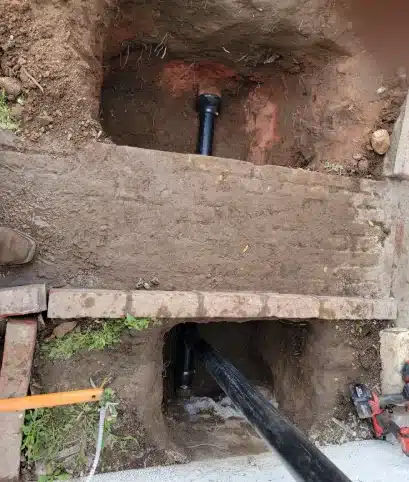
Pipe Bursting is one of the most cost-effective, long-lasting ways to replace a failing sewer line without tearing up your yard. At $115 per linear foot with a 50-year warranty, it’s the trenchless method we at Father & Son Hydro-Jetting recommend most — and it’s the one we’d choose if
Most people call a plumber when a drain stops working and accept the result when water starts flowing again. That is a reasonable approach for a one-time problem. But if you have been through that cycle more than once — or if your drains are showing signs that something more
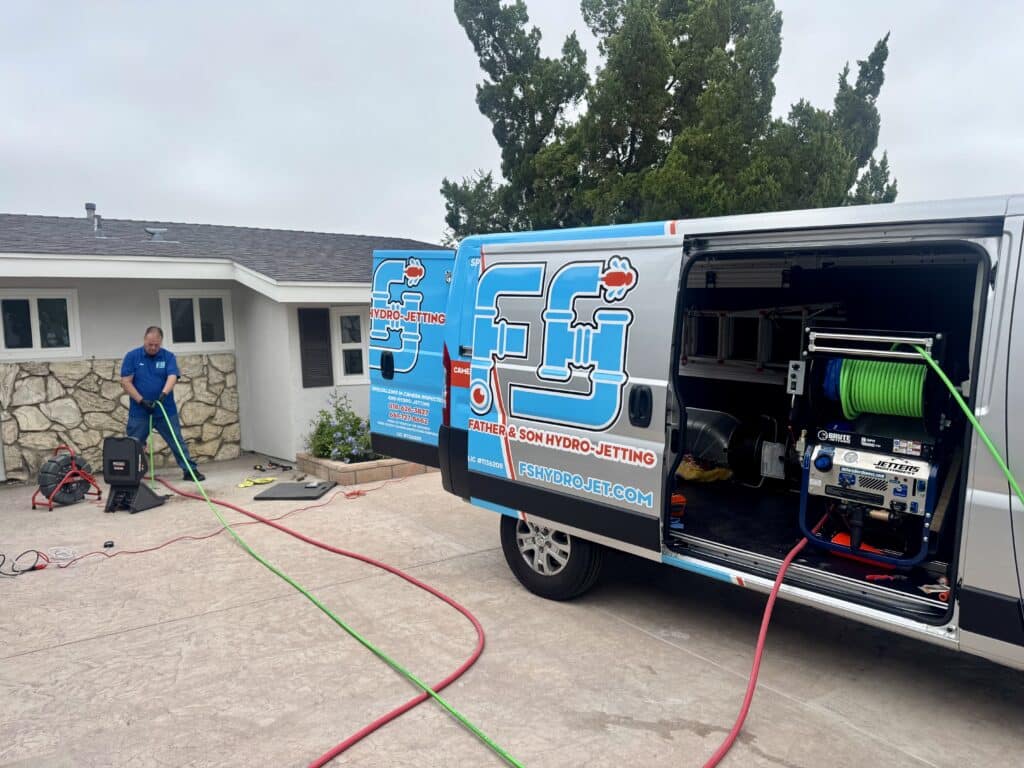
If you have called a plumber for a slow drain or a sewer backup, you may have heard the term hydro jetting come up. Maybe it was recommended as an alternative to snaking. Maybe it was described as a stronger version of what you have had done before. Either way,