
A slow-draining sink. Water pooling at your feet in the shower. That unmistakable gurgling sound coming from your toilet. If any of this sounds familiar, you already know how disruptive a clogged drain can be. The good news is that many clogs can be addressed with the right method — and knowing how to unclog drains properly can save you time, money, and a whole lot of frustration.
In this guide, we’ll walk you through the most effective DIY approaches, explain what professional plumbers actually use, and help you decide when it’s time to stop fighting the clog yourself and call in the experts.
What Is the Best Way to Unclog Drains?
The best way to unclog drains depends on the type and severity of the clog. For minor clogs, use a natural enzyme — or a basic drain snake — can clear the blockage. For deeper, stubborn clogs, especially in main sewer lines, professional hydro-jetting is the most effective and longest-lasting solution available.
Here’s the short version: DIY methods work for surface-level clogs. But if the problem keeps coming back, it’s deeper than your drain snake can reach.
Snaking a Drain (The Most Effective DIY Approach)
Snaking a drain — also called cabling — is one of the most reliable ways homeowners can tackle a stubborn clog without calling a plumber. A drain snake is a long, flexible metal coil that you feed into the drain to physically break apart or pull out blockages.
How to Snake a Drain Step-by-Step
- Remove the drain cover or stopper.
- Insert the tip of the snake into the drain opening.
- Slowly feed the cable into the pipe while turning the handle clockwise.
- When you feel resistance, you’ve hit the clog — rotate the snake to break it up or hook it.
- Slowly pull the snake back out, bringing debris with it.
- Run hot water down the drain for 1–2 minutes to flush out remaining residue.
When Snaking Works Best
Snaking is ideal for hair clogs in bathroom drains, food buildup in kitchen sinks, and minor obstructions within the first few feet of your drain pipe. It’s less effective for grease buildup deep in the line, root intrusions, or main sewer line blockages.
Pro Tip: A basic hand-held drum auger handles most household clogs. For deeper problems, a motorized snake or professional-grade equipment is needed.
Method 2: Drain Enzyme
- Follow Enzyme Instructions. What do I mean by that? More is not better. Take it from someone who wants to put a V8 engine inside a go-kart. Following the instructions will allow the enzyme to work properly and have you not overusing it. There is no risk in overuse, just means you have to buy it more often and it won’t speed up the process. ,
- Use at Night. Give the enzyme a chance to work. When everyone is asleep and not running water, that is the best time to use it.
- It is not an immediate solution. Give the enzyme time to break down whatever blockage you have. It will take around a week to improve.
- Once the clog is free and the line is open, be sure to put the enzyme down the trouble drain every week or two. Enzymes can be used on every drain but toilet. Shower, kitchen or bathroom sink, bathtub, etc., it can handle all those without harming anything or anyone.
Method 3: How to Clean Hair From a Drain (The #1 Bathroom Clog Cause)
Hair is the leading cause of bathroom sink and shower drain clogs. When hair combines with soap scum and other debris, it forms dense, sticky mats that are surprisingly difficult to remove. Knowing how to clean hair from a drain efficiently can prevent the majority of bathroom clogs before they become serious.
Step 1: Manual Removal First
Start by removing the drain cover or stopper. Many bathroom stoppers can be unscrewed or lifted out by hand. Use gloves and a pair of needle-nose pliers or a bent wire hanger to pull out as much hair as possible. You’ll often be surprised how much material is sitting just below the surface.
Step 2: Use a Hair Clog Removal Tool
Plastic hair-removal tools with barbed edges (sometimes called “drain snakes” or “Zip-Its”) are inexpensive and highly effective. Insert the tool, twist slightly, and pull out. These are designed specifically to grab and extract hair and can clear most bathroom clogs in minutes.
Step 3: Flush With Hot Water and Dish Soap
After removing the physical hair mass, run very hot water through the drain and add a few drops of dish soap to break up any remaining soap scum or oils coating the pipe walls.
Prevention: The Best Long-Term Strategy
- Install a mesh drain catch or hair catcher — they’re inexpensive and catch hair before it enters the pipe.
- Clean your drain cover weekly, especially in households with long hair.
- Run hot water for 30 seconds after every shower to flush residue through the pipe.
- Use a drain enzyme monthly as a maintenance routine.
What Do Plumbers Use to Unclog Drains?
This is one of the most common questions homeowners ask, and the answer depends on where the clog is and how severe it is. Here’s what professional plumbers actually reach for when they arrive on the job:
1. Professional-Grade Drain Snakes/Cable
Plumbers use heavy-duty motorized augers that can reach 50–100 feet into your drain line — far beyond what a hardware store snake can manage. These machines have enough torque to break through compacted grease, roots, and other serious obstructions.
2. Hydro-Jetting
Hydro-jetting is the gold standard of professional drain cleaning both main line sewers and kitchen sink lines. A specialized machine pushes water at extremely high pressure (typically 3,000–4,000 PSI) through a nozzle inserted into your drain line. This doesn’t just poke a hole through the clog — it scours the entire interior of the pipe, removing grease buildup, mineral scale, roots, and debris from wall to wall.
At Father & Son Hydro-Jetting, hydro-jetting is our specialty. It’s what we’ve built our reputation on over more than 40 years of service in the San Fernando Valley and greater Los Angeles area. Unlike snaking, hydro-jetting restores your pipes to near-original diameter — which means results that last significantly longer.
3. Video Camera Inspection
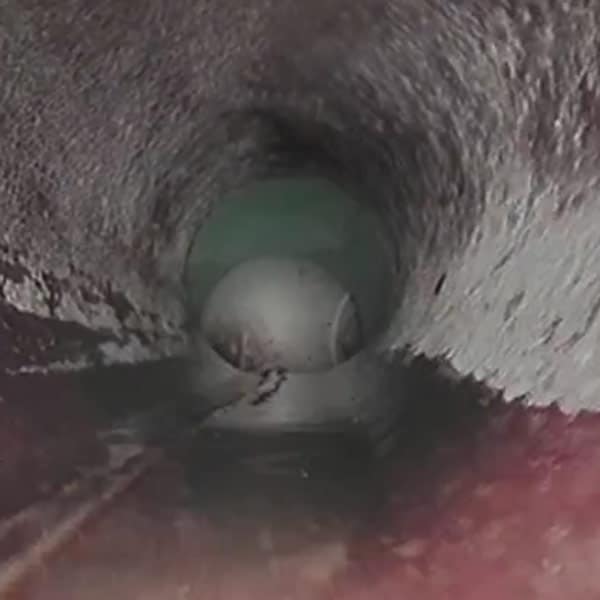
Before any major drain cleaning, experienced plumbers often deploy a small waterproof camera into the line to identify exactly where the blockage is, what’s causing it, and the condition of the pipe walls. Our sewer camera inspection service includes a complimentary narrated video after the work is done so you can see exactly what we see and see that you got what you paid for — no guesswork, no unnecessary upsells.
What to Use to Unclog Drains: Choosing the Right Method
Not all clogs are the same, and using the wrong method wastes time and can make the problem worse. Here’s a quick framework for choosing the right approach:
- Slow-draining sink or shower → drain enzyme is the place to start.
- Visible hair clog at drain opening → Manual removal + a barbed hair removal tool.
- Clog within the first few feet of pipe → Drain snake / cable.
- Recurring clog that keeps coming back → Professional hydro-jetting to fully clear the line.
- Multiple drains clogged at once → Main sewer line issue — call a professional immediately.
- Sewage smell or water backing up into other fixtures → Emergency — stop using drains and call a plumber now.
Rule of thumb: If you’ve tried a DIY method twice without lasting success, the clog is deeper or more complex than it appears. Professional intervention at this stage saves money compared to waiting for a full backup.
How to Clean Out a Drain: A Complete Maintenance Routine
The best time to clean out a drain is before you have a problem. Regular maintenance prevents the gradual buildup that turns minor slowdowns into full blockages. Read our in-depth post on why drain cleaning matters more than you think for a deeper dive into proactive pipe care.
Weekly
- Remove and clean drain covers and stoppers.
- Rinse drains with hot water after heavy use.
Monthly
- Treat all drains with the drain enzyme.
- Inspect under sinks for any signs of moisture, slow draining, or odors.
Annually
- Schedule a professional drain cleaning or hydro-jetting service, particularly for kitchen lines and main sewer lines.
- Consider a video camera inspection if your home is older than 20 years or if you’ve had recurring clog issues.
Proactive maintenance typically costs a fraction of what emergency drain service or pipe repair costs. For residential and commercial property owners in the Los Angeles area, a yearly professional cleaning from Father & Son Hydro-Jetting is one of the most cost-effective investments you can make in your plumbing system.
When DIY Isn’t Enough: Signs You Need a Professional
There’s no shame in calling a plumber — in fact, knowing when to call is a sign of a smart homeowner. Here are the situations where DIY methods are likely to fall short:
- The same drain clogs repeatedly within days or weeks of being cleared.
- Multiple drains in your home are slow or clogged at the same time.
- Water backs up in one drain when you use a different fixture (e.g., running the dishwasher causes the shower to gurgle).
- You smell sewage or rotten eggs anywhere in your home.
- You’ve tried snaking the drain and the clog came back.
- Your home is older and has cast iron or clay sewer pipes.
- You have trees near your main sewer line — roots are a common and serious cause of blockages.
Any of these signs can indicate a deeper issue in your main sewer line — something that requires professional equipment and expertise to resolve safely. Father & Son Hydro-Jetting has been diagnosing and solving exactly these kinds of problems in the San Fernando Valley and Los Angeles area for over 40 years.
Get Your Drains Cleared by the Experts: Father & Son Hydro-Jetting
Whether you’re dealing with a stubborn bathroom clog, a slow kitchen drain, or a main sewer line backup, Father & Son Hydro-Jetting has the experience, equipment, and expertise to get the job done right the first time. Our hydro-jetting services don’t just clear clogs — they restore your pipes to peak condition and keep them that way.
Ready to get those drains flowing again? Call Father & Son Hydro-Jetting at (818) 900-7493. We serve Canoga Park, Woodland Hills, Sherman Oaks, Granada Hills, Santa Clarita, and the greater Los Angeles area.
Don’t wait for a slow drain to become a sewage backup. Contact us today for fast, reliable drain and sewer service.
Frequently Asked Questions About Unclogging Drains
What is the best way to unclog drains?
The best method depends on the severity of the clog. Boiling water and natural cleaners (drain enzyme) work well for minor blockages. A drain snake is effective for clogs within a few feet of the opening. For persistent or deep clogs, professional hydro-jetting is the most thorough and long-lasting solution available.
What do plumbers use to unclog drains?
Professional plumbers use a combination of motorized cable machine, high-pressure hydro-jetting equipment, and video camera inspection to locate and remove clogs. Hydro-jetting is considered the most effective method because it removes buildup from the entire circumference of the pipe, not just a channel through the blockage.
What to use to unclog drains at home?
For home use, start with hot water and a drain enzyme for general slowdowns. A hand-held drain snake or barbed hair removal tool is effective for hair clogs in bathroom drains. Avoid using harsh chemical cleaners regularly, as they can damage pipe materials over time.
How do I clean hair from a drain?
Remove the drain stopper or cover first. Use needle-nose pliers or a barbed plastic drain tool to physically pull out the hair. Follow up with hot water and dish soap to clear residue. Install a mesh hair catcher to prevent future buildup.
How often should I clean out my drains?
For most households, a monthly maintenance treatment with drain enzyme is sufficient for keeping drains clear. An annual professional cleaning — especially for kitchen drains and the main sewer line — is strongly recommended for long-term pipe health.