
Buying a home without a sewer inspection is like buying a car without looking under the hood. A damaged or failing sewer line can cost $5,000 to $25,000 or more to repair — and standard home inspections don’t cover it. Here’s what every buyer in the Los Angeles area needs to know before closing.
What a Home Inspection Misses (And Why It Matters)
Most buyers in the San Fernando Valley go through the standard home inspection process and feel covered. A licensed inspector walks the property, checks the roof, the HVAC, the electrical panel — but they don’t send a camera down the sewer line. That’s a completely separate service, and skipping it is one of the most expensive mistakes a buyer can make.
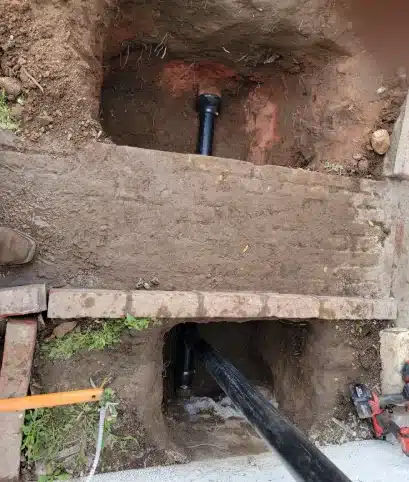
The sewer line runs from your home out to the city main, typically under your yard or driveway. It’s buried, invisible, and can hide serious problems that show zero symptoms until the line fails completely.
Did You Know: Many Los Angeles-area homes were built before 1970 and still have original cast iron or clay sewer pipes. These materials have a lifespan of 50 to 100 years — meaning your dream home could be sitting on a sewer system that’s already past its prime.
What a Sewer Scope Inspection Actually Shows
A sewer scope inspection uses a waterproof camera attached to a flexible cable. A technician feeds it into the clean-out access point and pushes it all the way to the city connection — usually 50 to 150 feet. The camera transmits a live video feed, and a good inspector narrates everything they see in real time.
Here’s what the camera can detect:
- Tree root intrusion — Roots from nearby trees (especially ficus, eucalyptus, and willow varieties common in the Valley) work their way into pipe joints over time. Once inside, they grow, catch debris, and cause recurring backups.
- Pipe offset or bellying — Sections of pipe can shift due to soil movement, earthquakes, or settling. A “belly” creates a low spot where waste collects instead of flowing out.
- Scale buildup — Cast iron pipes corrode from the inside out. Mineral deposits, rust, and calcium scale can reduce a pipe’s interior diameter by 50% or more.
- Cracks or collapses — Older clay pipes can crack or collapse entirely.
- Grease and debris accumulation — Common in older homes or long-term rental properties.
At Father & Son Hydro-Jetting, every sewer line inspection includes a same-day written report and a complimentary narrated video that you can share directly with your real estate agent, attorney, or the sellers themselves. That documentation becomes a powerful negotiating tool.
Father & Son Hydro-Jetting also conducts independent, conflict-free inspections, meaning findings are never influenced by repair upsells — giving buyers and agents unbiased, trustworthy information.
How to Use a Real Estate Sewer Inspection in Your Home Purchase
A failing sewer line doesn’t have to be a deal-breaker — but you need to know about it before you sign. Here’s how smart buyers use the inspection to their advantage:
- Request a repair credit. If the camera reveals root intrusion or buildup, ask for a credit at closing.
- Negotiate a price reduction. For major issues like collapses or severe offsets, use repair estimates to adjust the purchase price.
- Ask the seller to repair it before closing. Then verify with a follow-up inspection.
- Walk away informed. A small upfront inspection cost can save you from a five-figure mistake.
Pro Tip: Always schedule the sewer scope during your contingency period. Once contingencies are removed, your negotiating leverage drops significantly.
For real estate agents, a sewer inspection provides documented proof that protects both the transaction and the client. With same-day reporting, agents can meet tight contingency deadlines and avoid last-minute surprises that could delay or derail closing.
The Los Angeles Sewer Challenge: Local Factors That Matter
Sewer problems in the San Fernando Valley and greater Los Angeles area come with regional quirks worth knowing.
- Soil movement — Expansive clay soil swells and contracts, shifting pipes over time.
- Earthquakes — Even minor tremors can loosen joints and accelerate pipe deterioration.
- Aggressive tree roots — Southern California’s climate allows year-round root growth, increasing intrusion risk.
According to the US Environmental Protection Agency, aging sewer infrastructure is one of the leading causes of sewer overflows nationwide.
Did You Know: A single sewer backup can cause thousands in damage — and most homeowner policies don’t cover it without additional riders.
What Happens After the Inspection
If the inspection turns up a problem, you have options:
- Hydro-jetting clears roots, grease, and buildup using high-pressure water.
- Descaling restores flow in corroded cast iron pipes.
- Trenchless repairs like pipe lining or pipe bursting fix structural issues without excavation.
- Spot repairs address isolated damage efficiently.
Not every issue requires a full replacement — the right solution depends on what the camera finds.
To Wrap Up
A real estate sewer inspection is one of the lowest-cost, highest-value steps in the home-buying process. For inspections starting at $325, you receive a full camera inspection, same-day written report, and narrated video documentation — giving you the clarity to move forward with confidence or negotiate effectively.
If you’re buying a home anywhere in the San Fernando Valley, Santa Clarita, Conejo Valley, Ventura, Simi Valley, or the greater Los Angeles area, contact Father & Son Hydro-Jetting before escrow closes to schedule your pre-purchase sewer inspection. Call (818) 900-7493 or request a free estimate online.
Frequently Asked Questions
How much does a sewer inspection cost when buying a home?
A professional sewer scope inspection typically costs $250 to $400 in the Los Angeles area. Father & Son Hydro-Jetting inspections start at $325 and include a same-day report and narrated video.
Can a seller refuse a sewer inspection request?
Yes, but refusal can be a red flag. Most sellers allow inspections during the contingency period to avoid legal and transactional complications.
What if the sewer inspection finds roots?
Root intrusion is common and often manageable. Hydro-jetting typically resolves the issue, and costs are often negotiable as a buyer credit.
How long does a sewer scope inspection take?
Most inspections take 45 to 90 minutes. Father & Son provides a same-day report and video to all clients.
Do new construction homes need a sewer inspection?
Risk is lower, but not zero. Installation issues and early settling can still create problems — a sewer scope provides baseline documentation.